On an unclear early morning in late springtime, an item group from a midsize technology business stepped into a sand sector, everyone holding a lead rope clipped to a calm bay gelding called Boone. They were expecting icebreakers, possibly a rope course in camouflage. Rather, the facilitator asked a quiet question: "That is leading, and that is adhering to?" Five minutes later, Boone responded to for them. He walked with the only individual whose hand stayed consistent and whose breath did not hitch. When the others attempted to steer with babble and obscure hints, Boone paused, blinked, and stood like a granite statue. He was not persisting. He was being honest.
That is the heart of equine-assisted training. Steeds check out congruence. They listen to intent, stress, and quality long prior to we hear our very own words. When groups find out to provide a clear ask and release pressure at the best moment, connections shift. Meetings reduce. Responsibility improves. Trust, that usually abstract principle, transforms practical and visible.
Why equines instruct management differently
Horses are target animals with refined nerve systems. They have actually made it through by tracking micro-signals in their herd and setting, after that selecting an instructions together with rate and communication. They can not be fooled by a certain tone that masks uncertainty, or by a smile that hides aggravation. A horse feels what holds true with breath rate, position, and the solidity of an individual's center. That makes them best mirrors for management, team building, and somatic learning.
In conventional workshops, talk can win. A solid speaker can rack up factors without transforming anything about how they in fact relate under stress. In deal with equines, intent and actions either produce movement or they do not. The feedback lands without reproaching any individual. If a team member pulls, the horse supports. If the person crowds space, the horse actions away. If the person supplies a clear border after that softens, the steed follows. This is why equine-assisted services are commonly referred to as quick responses. The loophole from action to action is immediate, normally within a breath or two.
Trust grows since the horse has no stake in your org graph. Boone does not care if you are a VP or a trainee. He replies to honesty, fairness, and management provided with clarity. The very same characteristics that make restorative horsemanship effective for people, make equine-assisted tasks and training effective for organizational learning. The field comes to be a clean lab for connection experiments where the results show up in hooves, not slide decks.
What a session in fact looks like
The ideal programs start before any individual touches a steed. Safety and security and approval set the tone. People discover exactly how to stand, exactly how to invite a steed to move, and how to march if a task really feels frustrating. Headgears are offered. Closed-toe shoes are non-negotiable. Facilitators, frequently combined with an equine professional, checked out both the human group and the herd, then shape workouts to match.
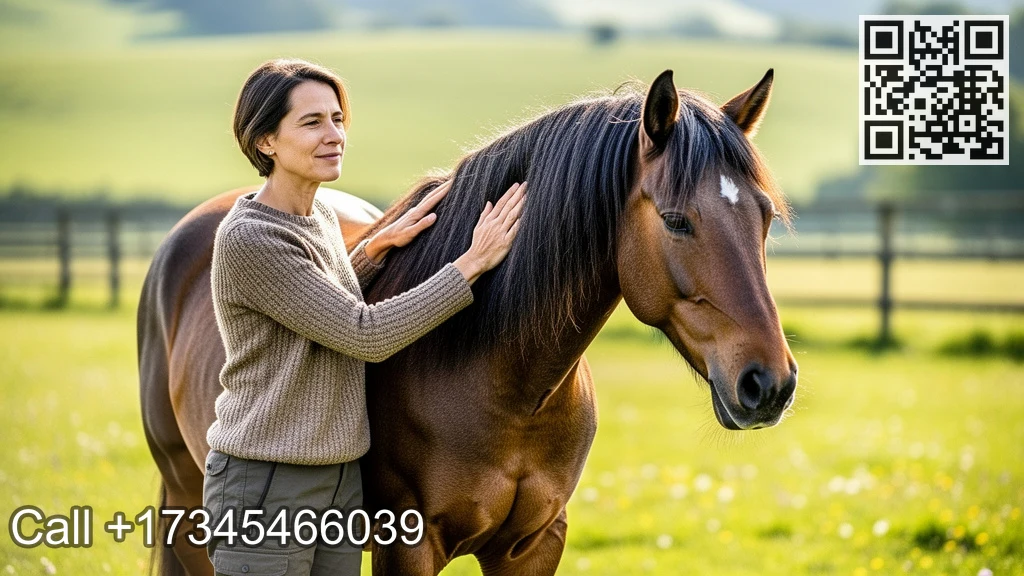
A typical very first workout is straightforward: halter, lead, and quit with the horse in step beside you, not behind or ahead. It seems simple on paper. In technique, it reveals whether your objective is clear and your timing is thoughtful. Ask the steed to stroll, after that soften your hand so you are not dragging. Ask to quit, after that unwind your body. If you hold stress after the stop, the equine will likely slip. If you rush the walk, the steed might speed up, then lean with your hand when it is time to slow down. Each moment is a micro-debrief on clarity.
Next, teams may browse a challenge, such as strolling over ground posts or via a significant corridor. With no voice permitted, the group needs to collaborate via signals, eye get in touch with, and placement. Somebody needs to take point. Another person needs to monitor speed. Somebody requires to see the equine's ears and breathing to understand when to pause. The very best debriefs link what occurred in the sector to what takes place at the workplace. Who held the big image. That tracked danger. Who linked between vision and execution. That picked up when the steed was overwhelmed and developed a reset.
Sessions frequently run 2 to 3 hours for a half day, or 5 to 6 hours for a complete day with breaks. Optimal group dimension for finding out with online steeds has a tendency to range from 6 to 12. Larger groups can revolve, but the magic lives in direct get in touch with and monitoring, not in spectating from a distance. Individuals that are not leading still learn by checking out ears, eyes, and foot placement. The horse's body provides a running commentary.
The meaning of the lead rein
In English riding, a lead rein is a simple band and clip. In practice, it is an agreement. Pressure asks. Release thanks. You use a little feeling towards the direction you desire, after that you soften the instant the horse returns. Excessive pressure, the steed stands up to. Inadequate, the steed has no idea what you want. The art is in timing and quality, not force.
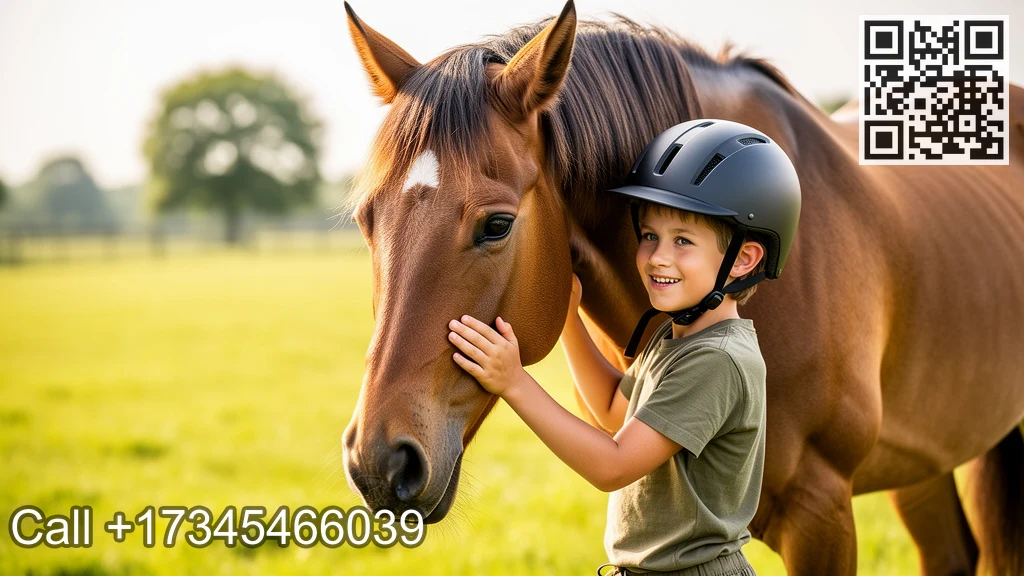
Good managers use the exact same concept. When you request a deliverable, specify done. Agree on checkpoints, after that relieve off. If your group takes an action in the appropriate direction, acknowledge it quickly. If you maintain drawing long after they have actually conformed, they find out to brace or tune you out. If you never provide a clear ask, they wait or overcompensate. Job either obtains aggressive or vague. Equines aid people really feel that cycle literally, not just intellectually.
During one workout, a sales supervisor maintained cueing Boone to step forward while unconsciously tightening up the lead rope at the exact same time. Boone remained grown. The facilitator directed this out gently. The supervisor chuckled, after that attempted once again, this moment opening his hand as he asked. Boone walked off simultaneously. Back at the office, that supervisor transformed exactly how he ran pipe evaluations. He maintained the ask crisp, after that gave room. His team reported less firefights within a month.
From activity to coaching and wellness
It aids to understand the spectrum of equine-assisted services. Equine-assisted tasks include structured, non-therapeutic knowing experiences, such as team structure with equines or leadership workshops. Therapeutic horsemanship involves skill structure on the ground or installed for people with physical, cognitive, or psychological requirements, and is normally instructed by teachers with details adaptive training. Equine-assisted mentoring, often called equine-facilitated coaching, mixes training frameworks with horse-facilitated exercises to target specialist growth, interaction, and management. Equine-facilitated wellness leans right into the mental health and wellness and somatic dimensions, occasionally in collaboration with licensed therapists.
Ethics and quality around extent matter. If you are seeking efficiency conversations for a leadership team, you desire knowledgeable coaches who recognize company dynamics and group process. If you are supporting injury recuperation, you want qualified medical professionals that incorporate steeds safely into therapy strategies. The lines can overlap, and numerous barns companion throughout techniques, however the supports are consent, safety and security, and expert competence.
Why experiential understanding with equines sticks
Rehearsing a difficult conversation at a white boards engages only part of the brain. Doing comparable work beside a thousand extra pound trip pet entails the whole body. Somatic understanding means your nerve system updates its patterns via felt experience, not just via concepts. When you obtain in agreement in front of an equine, after that watch the equine unwind and respond, your body records that link. People leave the field with brand-new muscle memory for how a clear ask really feels, just how a boundary feels, and exactly how to stop briefly when arousal rises.
I usually train people to see an equine's breath as a mirror for their own. When a person softens their jaw, the horse commonly breathes out. When the individual tenses, the steed's ribcage tightens. That visible responses helps individuals regulate. Gradually, the same regulation appears in group gathers prior to an item launch or in a boardroom throughout a warmed spending plan debate. The lesson is not regarding horses. It has to do with attunement and clearness under stress.
Neurodiversity, anxiety, and sensory needs
Beyond corporate job, equine-assisted programs frequently offer neurodivergent learners. An ADHD equine finding out assistance session may focus on pacing, impulse control, and job sequencing in such a way that feels active as opposed to revengeful. A student practices leading at a consistent speed, after that resetting with a breath prior to the next ask. The horse supplies instant comments without judgment. Success becomes concrete: the horse remained with you through three cones at a steady walk.
For participants on the autism spectrum, an autism equine learning program can emphasize foreseeable routines, clear signals, and gentle sensory input. Brushing in long strokes, really feeling the vibration of a nicker via a cheek versus a neck, tipping over posts one by one, all of this organizes sensory experience. Many households explain their child leaving calmer, a lot more coordinated, and much more confident in reading nonverbal hints. Communication builds in both directions. The steed replies to the youngster's clarity. The kid finds out that justness and consistency create safety.
People managing anxiety typically find alleviation via somatic recovery with equines. A victim pet obeys seeing, yet likewise by resetting rapidly to grazing when a risk passes. Practicing this reset with a calm herd participant develops a model for the body. The message is: notification, act, restore. For some, time with steeds ends up being an alternate treatment for sensory obstacles that official talk treatment alone has not dealt with. The movement, the smell of hay, the rhythm of hoofbeats, even the quiet task of loading a water bucket ends up being grounding.
Important note on range: while equine-facilitated wellness can match therapy, it is not a replacement for medical care or situation assistance. Excellent programs coordinate with healthcare providers when ideal, make use of notified consent, and maintain boundaries around what the arena is and is not.
A field tale about clearness and trust
A remote-first start-up concerned the cattle ranch after a rough quarter. Missed out on handoffs, darkness decisions, and increasing rubbing. Twelve individuals, 2 of whom had actually never fulfilled personally. We began with an easy tandem lead of a mare called Poppy via an S curve of poles. The very first set made it halfway, after that Poppy raised her head and stopped briefly. She was not spooked. She was puzzled. Their asks contradicted each other by an inch.
The group determined to choose a single leader for every segment, with explicit handoffs at the turns. They added one duty called the Screen, whose only work was to state "Pause" when Poppy's ears pinned or her breathing changed. The whole group breathed out together when Poppy walked the full program in a smooth line. That afternoon, the group rebuilt its product testimonial tempo making use of the very same roles. A month later on, the chief executive officer created that their once a week planning went down from 90 minutes to 45, and they were shipping on projection once more. Nobody mentioned Poppy in those conferences, but the handoffs and stops lived on.
Designing the appropriate program for your team
Choices matter. The very best style begins with a clear objective, not just a fun day out. Are you building depend on after a reorg, onboarding a brand-new leader, addressing cross practical rubbing, or stopping fatigue. Each goal recommends a different arc. A depend on focused day might pair gentle brushing with border job and common lead workouts. A clearness concentrated day might lean right into timed obstacle training courses with rigorous no talking rules to require crisp nonverbal leadership.
Consider logistics. Weather condition matters, however rainfall can add beneficial structure if you have actually covered area. Sessions typically run quarter day, half day, or complete day. Group sizes over a dozen typically divided. One facilitator for every single 4 to 6 individuals keeps interest sharp and security tight. Costs vary by area and team size. For preparation, lots of companies spending plan in a similar way to offsite strategy days or ability workshops in the exact same area, with a premium for venue and equine team. The variable to see is proportion. If a program provides deal prices by stacking 20 individuals per horse, quality will certainly experience. Equines are not props. They are partners.
Here is a brief preparation list several customers find useful:
- Clarify purposes in one sentence you can evaluate in the arena. Confirm facilitator credentials, consisting of equine, mentoring, and security credentials. Align team size with steed and staff schedule for a 1 to 4 or 1 to 6 ratio. Plan for debrief time equal to or longer than exercise time. Set blog post event practices so lessons show up at the office within a week.
Measurement without overcomplication
Return on financial investment obtains unsafe when you chase dollar figures also hard. Still, you can track meaningful results. Before the workshop, ask participants to rate clarity of duties, rely on peers, and efficiency of conferences on a straightforward 1 to 5 range. Repeat the survey 2 to 4 weeks after. Look for activity of at the very least one factor in targeted areas. Set numbers with actions markers, such as time to choice on cross team problems, frequency of rework, or the variety of disturbances in standups.
One production customer tracked safety and security near misses out on and group communication events for eight weeks pre and eight weeks post a collection of equine-assisted training days. Near misses out on dipped decently, while incident records that consisted of aggressive peer coaching climbed. The plant manager attributed a new routine of "ask, then release" that supervisors practiced in the sector. It also aided that the sessions constructed connections across changes that hardly ever overlapped.
Qualitative tales issue. You will certainly listen to people state things like, "I recognized I talk over people when I obtain anxious," or "I require to make a clean ask and stop including conditions." Catch those representations. Use them in performance discussions later on, not as cudgels but as anchors for change.
Safety, ethics, and the steeds' well being
Responsible equine-assisted services placed steed welfare at the center. That starts with suitable job hours, remainder, and herd life. Steeds must have turnout, social call, and workout beyond sessions. During programs, they require water, color, and breaks. The herd's permission issues, too. A horse that chooses to involve will show better than a steed that is shut down.
Human safety and security lives in preparation. Clear rundowns, correct shoes, headgears when needed, and expert oversight are standard standards. Excellent facilitators check out the very early signs of bewilder in both people and horses and know when to streamline or quit. They also hold borders on what the sector is for. It is not the location to unearth unsolved injury without support. It is not the area to press someone right into contact with a steed if worry is high. Approval is not an once signature, it is a continual conversation.
As you veterinarian providers, inquire about affiliations and training. Many professionals hold qualifications or education and learning with well-known organizations in restorative horsemanship and equine-assisted mentoring. While letters after a name do not ensure fit, they do show a commitment to standards and continuing education. Insurance policy needs to be present and ideal to the work.
Edge situations and thoughtful adaptations
Not every person wants to be near a horse. Allergic reactions, cultural sights, past experiences, and straightforward preference should have regard. Good programs produce sensible options, such as observation functions that carry genuine weight or identical workouts with range. Fear that softens with time can be among the most useful understandings, yet guts only counts when the person has choice and support.
Medical considerations deserve evaluation. Expectant individuals, people with recent surgical treatments, and those with equilibrium challenges may require changed activities. Teams with participants who utilize wheelchairs or wheelchair devices can still participate, with innovative setup. Grooming at a lower connection, liberty work from a fencing line, and double lead workouts can all adjust safely.
Weather can enhance risk and discovering both. Warmth requires a lot more breaks and water. Cold impacts hold and attention. Wind can bring unanticipated activity that equines see long prior to people do. Facilitators plan with those truths in mind, or they reschedule. There is no heroism in pressing with risky conditions.
Bringing lessons home
The success of equine-facilitated training turns up back at work where it matters. The trick is to turn felt experience into day-to-day routines. Numerous teams schedule a half an hour debrief within 48 hours to convert sector insights right into certain behaviors. They also appoint a person to watch for drift, the slow go back to old patterns.
Here are five practices that transfer well from the lead rein to the office:
- Make a clear ask, then quit chatting. Let people react prior to you add more. Notice tension and reset. If the area tightens up, call a short time out to breathe. Name functions and handoffs out loud. Clarity minimizes friction more than heroics. Use pressure like a dial, not a button. Raise simply enough to create movement, then release. End with launch. Acknowledge progression swiftly so people do not support for the next pull.
Keep it simple. You do not require equine metaphors in every meeting. You require the technique to take a breath, to ask cleanly, to establish limits with kindness, and to observe little wins. People remember just how it felt when Boone or Poppy picked to adhere to a stable hand. That memory becomes a design template the next time risks rise and time compresses.
Choosing a supplier who fits your culture
Culture fit is not fluff. A scrappy start-up and a custom rich professional services firm will certainly reply to different designs. See the facility or schedule a video clip scenic tour. See just how the group connects with the steeds in downtime, not simply in demos. Ask exactly how they tailor sessions for remote groups, hybrid companies, or teams who have actually never seen a horse up close. Inquire about debrief techniques. The most effective facilitators build space for representation, after that link insights to concrete actions you care about, such as decision rights or client response time.
Clarity on language assists too. If you desire equine-assisted tasks that focus on team structure with equines and clear interaction abilities, state so. If you desire a much deeper arc that touches routines under stress and anxiety and body based knowing, point out rate of interest in somatic recovery with steeds. If your goal leans toward spirits and health, discover equine-facilitated health days that consist of peaceful grooming, herd monitoring, and time in nature. All of these can be legitimate. The appropriate program will certainly meet you where you are and stretch you just enough.
Final thoughts from the rail
I have seen skilled executives obtain humbled, not by shame, however by the relief of locating a steady pace. I have seen teenagers on the autism range enter management with a soft qualities that relocated grownups to splits. I have seen engineers, not usually anxious for group https://franciscooxla089.yousher.com/calmness-in-the-canter-anxiety-assistance-with-steeds-for-teenagers-and-adults exercises, light up as a mare mirrored their breath and then strolled off at their side. None of this needs magic. It needs existence, fair requests, and timely releases.
A lead rein in a human hand is an assurance. I will be clear. I will be reasonable. I will certainly discover when you attempt. Teams that maintain that pledge with each various other build trust fund that can handle difficult quarters and untidy jobs. Steeds assist us practice until it becomes acquired behavior. After that, when the haze lifts and due dates loom, the team relocates together, light on the line, eyes up, headed in the same direction.