The first time I viewed a project supervisor attempt to lead a mare through an easy maze with no rope, he marched in advance and never ever looked back. The horse grew her feet and discharge a long breath. Within two minutes the manager realized he had no followers. He circled back, softened his shoulders, made eye get in touch with, then strolled with an open position and slower rate. The mare lifted her head and came along. The rest of his team breathed out as well. No lecture concerning leadership might have landed that fast.
That is the heart of team building with steeds. The herd offers immediate, personified responses. You can not fake visibility, clearness, or respect with a 1,000 extra pound companion. When teams learn to team up because setting, they lug those lessons right into meeting rooms, sales calls, and dilemma hotlines with a steadier facility and a clearer signal.
Why steeds help teams
Horses are victim pets. Their survival depends on discovering mini shifts in intent, power, and harmony. They care less about what you say and extra concerning what your body communicates. In a herd, roles transform fluidly. A younger gelding might lead toward water, a senior mare might set borders when stress increase, and a center equine may buffer problem. That adaptable, situational leadership maps very closely to modern team needs.
When a group enters the field for equine-assisted tasks, equines react to the collective nerve system. If a team is scattered, the horse wanders. If somebody overcontrols, the horse stands up to or shuts down. If a peaceful colleague declares area with calm quality, the steed commonly progression. The animal is not evaluating, it is showing. That real-time psychophysiological feedback is why equine-assisted training can shift patterns that stubbornly endure offsites and slide decks.
Most of the job takes place on the ground. Healing horsemanship and equine-assisted solutions can include installed work when proper, however business https://pastelink.net/0siqisvo team sessions hardly ever involve riding. Handlers and facilitators focus on security, clear tasks, and metaphors that translate. The objective is not to make horse individuals. The goal is to assist people become better teammates.
What a session looks like
A regular program runs from a half day to 2 days. After a safety and security orientation and a walk through basic horse actions, teams move into organized exercises. Tasks could consist of haltering and leading at liberty, browsing a set of challenges with marginal spoken interaction, or relocating a little herd from one end of the sector to the various other without touching them. Each task has a clear result, numerous courses to arrive, and built-in constraints that expose exactly how the group arranges under pressure.
Facilitators learnt equine-facilitated mentoring enjoy the horse and the human characteristics just as. They will stop briefly the activity when something vital shows up, debrief, after that invite a new effort. Debriefs tend to be brief and concrete. What did you try? What did the steed carry out in action? What did you discover in your body as the plan moved? The simple inquiries educate teams to review signals, readjust rapidly, and speak truthfully without blame.
I have seen execs abandon a stopping working method after a single head toss from a gelding, after that transform to a younger engineer for a fresh idea. I have watched a conflict-averse team discover to state no by asking an equine to quit crowding their space. And I have actually seen a trauma-informed facilitator support a participant with anxiousness with slow breathing and grounding while a stable mare kept up action for step. Those minutes re-wire just how groups rely on one another.
Skills that stick back at work
The sector presses the timeline in between activity, effect, and understanding. Due to the fact that feedback gets here via the steed, not a human critic, people accept it more readily. Gradually I see 5 clusters of abilities take root.
Presence and law. Horses are barometers. Irregular power makes them cautious. Coherent, kicked back focus welcomes them better. Groups find out useful law, like noticing breath, softening the jaw, extending exhale, or resetting stance. That converts directly to difficult conferences, customer accelerations, and innovative jams.
Clear borders and requests. Vague signs confuse steeds. The exact same holds true with individuals. Asking a horse to quit, go back, or generate a shoulder needs quality in body and voice. Groups uncover the power of tidy demands and tidy nos without aggression.
Shared management. With equines, positional authority indicates little. Whoever is most linked to the following valuable step leads. That urges quieter subject-matter specialists to talk quicker, and it nudges leading voices to listen.
Problem fixing under restrictions. Relocating a horse via a limited collection of barrels or throughout a tarpaulin ends up being a research laboratory for sequencing, role quality, and imaginative workarounds. Teams learn to check, observe, and repeat without obtaining precious concerning one idea.
Psychological safety. When a group slows down sufficient to see their very own nerves, they observe each various other too. People exercise calling concern, confusion, and excitement in the moment. The horse models nonjudgmental presence. That tone returns right into retros and one-on-ones.
The somatic doorway to change
Talk-only learning rarely alters habits under anxiety. The body maintains its habits. Experiential learning with steeds opens a somatic entrance. You feel the minute your shoulders go down and an equine's ears flick onward. You feel the shock when you secure your knees and the horse braces in kind. Those feelings teach faster than advice.
This is where equine-facilitated wellness intersects with management growth. The body methods what the mind teaches. Somatic recovery with equines is not therapy in a business setting, yet it borrows from the same nervous system principles. Breath, pose, and pacing inform partnership. When groups take on a straightforward common practice, like two sluggish breaths prior to offering responses, conflicts soften and jobs move.
For individuals that carry anxiousness, the sector can be an encouraging laboratory. Some programs additionally run different anxiousness support with equines, constantly with mental health specialists on deck. In a team context, we stay in a training lane while still appreciating private demands. The outcome is a knowing setting that includes a larger series of nerve systems without pathologizing anyone.
Inclusion issues, and equines can help
Not every person relates to eye contact, quick choice cycles, or open-ended metaphors similarly. Neurodivergent teammates, consisting of those with ADHD or on the autism range, typically flourish when interaction is concrete and sensory conscious. Equines like precisely that. They react to timing, rhythm, uniformity, and clean signals.
I have actually functioned along with medical professionals that supply ADHD equine finding out assistance and an autism equine finding out program for youth. In business sessions we do not detect or deal with, however we apply what those programs teach. We offer clear steps, make use of aesthetic markers in the arena, and normalize stim-friendly methods like holding a lead rope with a fidget clip. When somebody requires a moment far from the team, they take it, and a trainer maintains the equine involved in other places. Individuals return more controlled, and the task relocates forward.
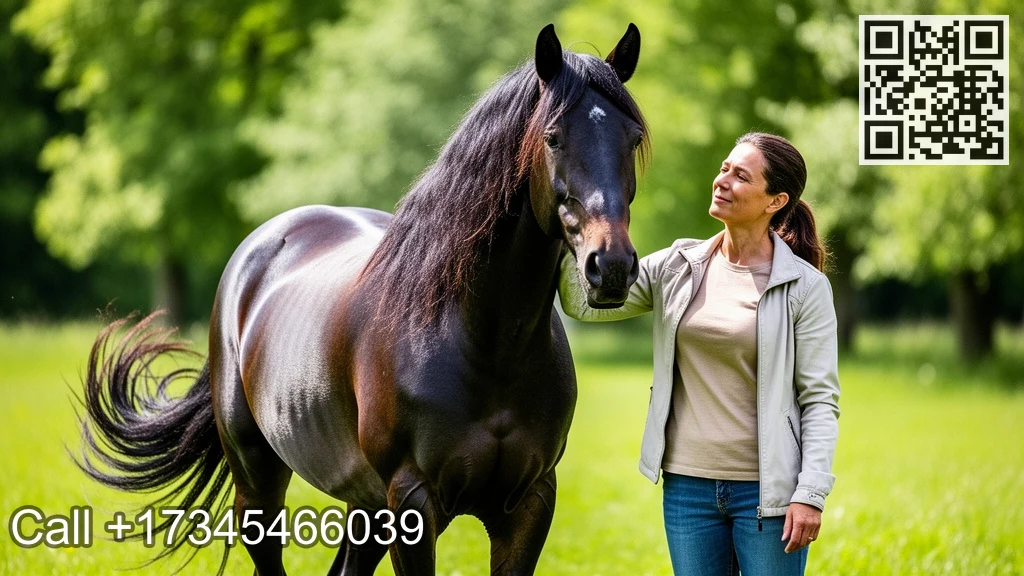
For coworkers with sensory level of sensitivities, equine-assisted solutions can be a remarkably comfy alternative therapy for sensory obstacles. We avoid speakers, keep music off, and offer noise-dampening options. The barn gives vast spaces and fresh air. If dust or hay is an issue, we work outdoors or in a groomed area. If touch is sensitive, we skip brushing and select leading tasks that respect distance. Thoughtful design makes participation really feel risk-free without singling any individual out.
Safety and values before anything else
Good programs are meticulous concerning safety and security. Helmets are available also for ground job. Every horse is meticulously selected and on a regular basis evaluated, with clear retirement when an equine signals it is made with this task. A qualified equine professional, usually with a history in therapeutic horsemanship, handles the equine side while a trainer helps with the human procedure. Trainers remain accessible, and no person is pressured to do anything they do not wish to do.
Ethics additionally suggest right-sizing cases. Equine-assisted training constructs skills and understanding. It is not a magic bullet, and it is not a shortcut for much deeper organizational problems like unreasonable work, broken rewards, or unsettled damage. The arena can expose those patterns, but leaders have to address them back at the office.
Choosing a provider that fits your team
Use this fast list to veterinarian programs for team structure with horses.
- Credentials you can verify, such as certification in equine-assisted training or healing horsemanship, and documented experience with groups like yours. A security procedure that includes horse selection requirements, trainer proportions, emergency situation treatments, and insurance. A clear knowing layout with pre-briefs, tailored activities, and structured debriefs connected to your group's actual goals. A comprehensive prepare for accessibility, sensory demands, and mental security, with options to pull out without stigma. References or instance stories that match your context, plus a readiness to claim no if your objectives do not fit their method.
If a company assures instant improvement or avoids concerns concerning their horses, maintain looking. The best experts are clear, useful, and collaborative.
Examples from the arena
A health technology startup brought 8 individuals to the barn after a rough sprint. Two designers really felt steamrolled by a product lead that prided himself on rate. In a task that required moving a mare via a pattern of poles, the product lead took over, fast and loud. The mare secured. A facilitator asked the group to stop briefly and try the restriction of no talking for two mins. The younger engineer, who tended to hang back in meetings, tipped to the mare's shoulder and matched her breathing. He lifted a hand and waited. The mare shifted her weight and followed through the very first turn. The group stared. Later on that week, they embraced a simple series in standups, with the junior designer opening up technological threat before any decisions. Sprint rate stabilized within 2 cycles. No miracles, simply an adjustment in pacing and respect that the mare had actually required them to see.
In a public company, a director dealt with limits. She stated yes to every request, after that shed her group out. In the arena she tried to ask a large gelding to stop entering her room. She smiled while claiming back, please. The equine maintained drifting more detailed. After training, she planted her feet, squared her chest, and said, quit, after that softened and invited him in again on her terms. The gelding respected the boundary quickly. She giggled via tears. Back at the workplace she started to decrease excessive committees with the very same clearness. Within a quarter her team's overtime came by a third.
Translating plain sense to workplace sense
The greatest risk with any offsite is leaving understanding in the field. To bring lessons home, support them in regimens. If a team discovered to reset posture and breath before initiating a hard ask, create that right into a meeting standard. If the steed's reaction instructed the group to reduce choices until the quietest individual talks, make that a standing assistance cue. A great instructor will co-design these translations with you.
I motivate teams to call 2 or three sector minutes that felt electrical. Maybe it was a clean limit, a common leadership handoff, or the immediate a new plan emerged without defensiveness. Transform those right into brief phrases that make good sense to your culture. One team chose, ears ahead, for existence and interest. An additional liked, soft eyes, clear ask. These concepts become shorthand under pressure.
For remote or hybrid groups, physical herd job is unusual. Still, the very same principles apply. Replace the horse with an exterior sign, like a common timer, a breath bell, or a visual kanban step that everyone watches. If you did one day at the barn, routine a virtual follow up where everyone shares one concrete modification they made and exactly how others can aid them maintain it.
Costs, ROI, and what not to measure
Most areas rate half-day sessions between the cost of a conventional offsite and a high-end ropes program, with variables for team size, steed schedule, and facilitator know-how. Budget plan varies from a couple of thousand dollars for a small team to 5 numbers for a big group with personalized design. Steeds eat 365 days a year, so you are likewise spending for good care and trained humans.
Return on financial investment will certainly not show up as a clean percent in a week. Look for leading indications. Shorter conferences because people claim what they indicate. Fewer accelerations since limits are clearer. Extra balanced engagement in planning. Some customers run lightweight pre and post pulses focused on trust fund, voice, and clarity. Others track cycle time and revamp prices. Watch out for connecting every bump to the barn. The sector accelerates what you currently care about, it does not change continual leadership.
Preparing your group for the arena
A little planning protects against preventable rough edges and aids every person arrive all set to learn.
- Share a plain-language review that this is ground-based equine-assisted tasks, not a rodeo, with a clear security plan and opt-out options. Ask regarding allergic reactions, flexibility, and sensory needs early, and offer choices like outside rings or dust-free grooming areas. Dress for the elements. Closed-toe footwear, layers, and sun or rain security keep focus on finding out rather than discomfort. Align on two or 3 goals you want to check in the arena, such as choice flow, responses society, or shared leadership. Plan a debrief cadence after the occasion. Short check-ins at one week, one month, and one quarter assist the experience stick.
Invite curiosity, not blowing. The steeds do not appreciate your title. They care about how you show up.
Common inquiries and edge cases
What if someone hesitates of horses? That is much more typical than you think. Concern can be an educator if managed well. No person requires to touch a steed to take part. People can start behind a fencing or observe. Typically, with time and option, fear softens. If it does not, that is fine. Understanding still travels.
What concerning cultural differences in body movement? Outstanding factor. The debrief is where we convert. If a cue that collaborates with a mare would certainly be rude in an individual's culture, we discuss exactly how regard looks throughout contexts and locate useful equivalents. The goal is not to enforce one style, it is to build variety and respect.
Is this therapy? For business team building, no. We operate in a mentoring framework. Nevertheless, several professionals hold clinical credentials for separate healing job, and some sites additionally host therapy programs. It is very important to keep the lanes tidy. If injury actions arise, facilitators need to understand just how to stabilize the minute and connect the individual with suitable support.
What if a person has an impairment or uses mobility help? Lots of barns come. We adjust tasks, choose appropriate steeds, and style for safety and security. Leading an equine from a mobility device is possible with the appropriate surface areas and support. Involvement is constantly by choice.
Aren't horses uncertain? Yes, which becomes part of the knowing. Good programs buffer that unpredictability with mindful steed option, trainer assistance, and clear limitations. If conditions are unsafe, the session adjustments or quits. That is leadership too.
Where equine programs fit in your development mix
Equine-assisted training stands out at developing felt skills. It sets well with programs that deal with structure and process. For example, incorporate a day at the barn with a decision civil liberties workshop, or comply with arena collaborate with promoted feedback training. The equine exposes patterns, then other devices aid redesign contracts and systems.
Equine job is also a strong reset after mergings, reorgs, or dilemma months when teams need to reconnect as human beings. I have seen jaded groups walk in with arms went across and entrust to a different high quality of attention. Not shine and hype, just a steadier baseline.
Finally, the barn is an honest area to check your leadership brand name. Equines tell the truth with their feet. If you bring stress, they mirror it. If you bring inquisitiveness, they lean in. That mirrors your team. People currently understand who you remain in the corridor. The field assists you feel it, readjust it, and lug the change back inside.
A closing image
Late in a winter months session, a silent money analyst stood in the center of the sector while a bay gelding grazed at the much rail. She had actually invested the majority of the morning quiet, watching louder associates get annoyed. On the last workout she asked if she could try something. She softened her chest, looked where she intended to go, and took three slow steps. The gelding raised his head, flipped an ear, and ambled towards her. The space went still. It was not prominence, and it was not magic. It was congruence. When she strolled back to her group, they offered her the lead on the next job. 3 months later on she told me the field had actually been the starting point she felt her management land in her body. The numbers followed.
Herd knowledge is not mystical. It is sensible, relational, and prompt. With the appropriate safety, design, and translation, group structure with steeds assists people exercise the sort of existence and regard that makes job work.