I have actually viewed a peaceful barn aisle become a class, a treatment room, and often an event. Horses appear to gather people that might not feel comfortable somewhere else, and they give us an honest mirror. That mirror can be difficult, yet it is never vicious. Succeeded, restorative horsemanship produces an area where nervous youngsters find strong ground, busy minds settle into rhythm, and teams find out the easy art of listening.
What we imply by restorative horsemanship
The phrase covers a wide range of equine-assisted solutions. Some programs focus on installed lessons that build balance, attention, and interaction. Others run unmounted equine-assisted tasks, where individuals find out to lead, groom, and work from the ground. There are also coaches who utilize equines as companions in equine-facilitated mentoring for management and personal advancement, and specialists offering equine-facilitated wellness that draw from psychological health and somatic practices. The usual string is experiential understanding with equines, where comments shows up via motion, breath, and the steed's response.
Horses are victim pets. Their survival depends on checking out body movement and power long previously words arrive. This sensitivity is the peaceful engine of therapeutic job. If you change your breathing, a steed will certainly typically change theirs. If your focus scatters, https://jsbin.com/tigaxanege the horse tells you. If your purpose steadies, doors open. It is hard to phony authenticity around a 1,000 pound psychophysiological feedback tool with a mane.
A day in the arena
On Tuesday nights I fulfill Leo, a nine-year-old in our autism equine discovering program. He likes maps and hates loud echoes. We start in the corner of the interior where the audio discolors and the dust light softens. He brushes our mare, Poppy, with slow-moving circles. We count together. One to ten on the shoulder, after that switch over sides. When his hands obtain quickly, Poppy changes her weight. We stop briefly, extend fingers, return to circles. After a few weeks, Leo began asking to lead Poppy across ground poles. He used to rush them. Now he looks up, factors with his stomach button, and they action, step, pause. He grins when they land a peaceful halt right at the cone.
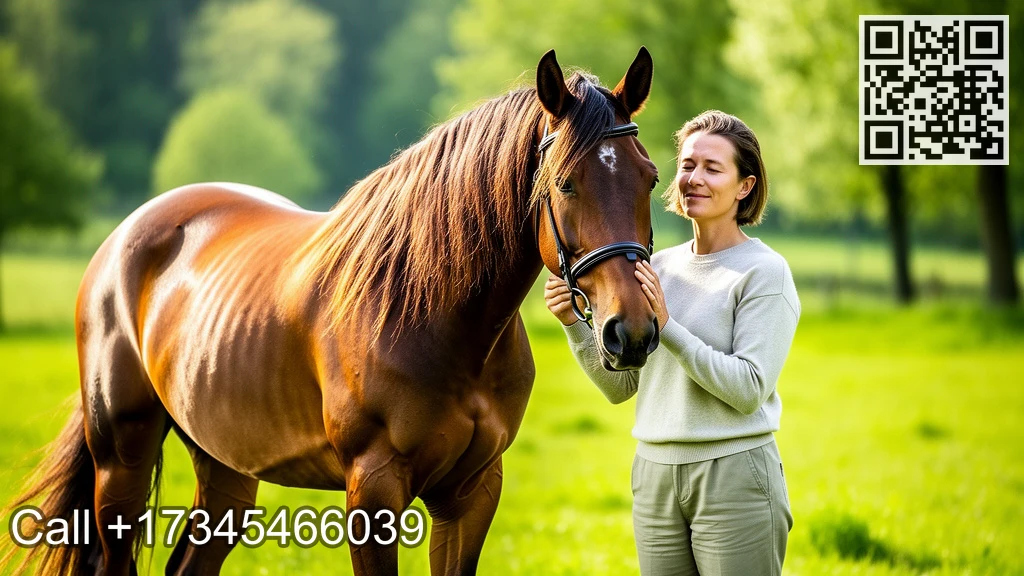
On Thursday early mornings, I collaborate with a 34-year-old instructor called Marisol who lugs persistent stress and anxiety like a knapsack that never comes off. We begin in hand with a gelding called Finn and a basic pattern. Stroll, halt, back 2 steps, take a breath. When her ideas crowd in, her hands creep up the lead rope, and Finn braces. We reset by naming three shapes we can see in the field, planting our feet, and allowing the rope obtain soft once again. With time her body discovers a new sequence. Notification, clear up, ask. She informs me she uses the same pattern prior to parent conferences.
There are also Saturday sessions for group structure with equines. An advertising and marketing group will certainly be available in persuaded this is a trust loss with hay bundles. 10 minutes later on they will be perplexing over why their plan to press an equine via a U-shaped chute fizzled. The equine stood there blinking while the team debated. A peaceful intern stepped in, softened her arms, and the equine adhered to a contour of area she created. That is equine-assisted coaching basically. You can not speak a thousand extra pounds right into a brand-new tale. You need to act it.
What makes the barn feel like belonging
Belonging is not a poster. It is a collection of tiny minutes that inform participants this location can hold them. The routines help. Names go on the white boards at the start of every hour. Every equine's preferences are printed on the brushing kits. Headgears get fitted without excitement. We keep spare wintertime gloves in a tidy bin and a few weighted lap pads put close by for clients that work out with stress. There is a low bench by the door for early shifts, with fidget bands that can stand up to boots.
The volunteers make the rest. Good volunteers discover to be side-walkers and silent allies. They expect the flinch that says a strap rubbed as well limited or the doubt that hints at sensory overload. They exercise existing without taking care of. Among our finest side-walkers learned to hum the exact same tune a participant's mother used at home. That gentle thread turned a shaky trot right into a string of constant strides.
We additionally construct option into sessions. A client who avoids the mounting block can begin with leading. A participant that despises the indoor illumination can function outside by the fencing line if footing enables. The point is development, not requiring the same shape for everyone.
What adjustments, and just how it often tends to unfold
People typically ask what outcomes to anticipate. The sincere answer is that change typically begins with the basics, after that emits. Equilibrium boosts for many motorcyclists within 8 to 12 weeks of weekly sessions. That may look like longer holds in two point, steadier hips at the walk, or less collapses with one side. For others, the initial shift is co-regulation. We see breathing slow to match the horse's rhythm. Once an individual feels that swing and discovers the four-beat stroll, focus widens and speech often comes more easily.
For ADHD equine discovering support, the placed work creates a rhythm that helps arrange sequencing. We will certainly transform a disorderly arena right into a clear route: blue cones first, then the barrel with the scarf, then home to the posts. The horse is the metronome. We make the route noticeable and repeatable. Over sessions, impulsive rushing turns into purposeful shifts. The stable stress and release of reins and legs, incorporated with the equine's immediate comments, offers framework without scolding.
Alternative therapy for sensory challenges leans on structure and pace. Some clients yearn for deep pressure and succeed with a heavier saddle, a sheepskin pad, and sluggish, long-lines from the ground prior to placing. Others obtain overwhelmed by touch and gain from spoken grooming video games prior to they ever grab a curry comb. I have actually had individuals who could not tolerate wind in the interior however discovered tranquility walking a fenceline path under trees. Somatic recovery with horses often starts in this manner, by fulfilling the nerves where it rests and layering in little tolerances, one action at a time.
As for stress and anxiety assistance with equines, even small wins issue. I bear in mind a lawyer that could not unclench her jaw enough time to provide a soft ask. We dealt with breath first. Inhale to the ears, exhale to the tail. That image gave her something concrete. The minute she felt Finn yawn and lick, she chuckled. We made use of that laugh as a marker. Gradually, frets that typically resided in her upper body glided down right into her boots and out via the sand. She still lugs plenty, however she found a ritual that functions without a display or a to-do list.
Making the job safe without draining the life from it
Safety belongs to belonging. Programs that fall apart normally do so at the junction in between care and mayhem. A competent program leader will match steeds attentively, revolve work, and watch for refined signs of discomfort. We have a hard quit for equines that pin ears, wring tails greater than as soon as, or reveal a sudden head-toss in the aisle. It is kinder to retire a horse to groundwork than to press it past its perseverance and run the risk of a bad moment.
The exact same goes for people. We evaluate for seizure background, bone thickness worries, and fresh surgical procedures. Mounted work might not be appropriate for everybody. Equine-assisted activities from the ground can be just as abundant, occasionally richer. One of my ideal problem-solvers never ever rode. He found out to lunge at a walk, notice diagonal pairs, and call a reversal without drawing. The self-confidence he attracted from coordinating a stylish turn brought into school, where he lastly raised his hand without prompting.
We maintain emergency plans straightforward and rehearsed. Radios billed, gateways latched, launch knots just, headgears checked for age and fit. Personnel and volunteers learn just how to breathe before providing a guideline. A tranquil voice and a solitary clear ask turn near-misses right into tales that end with a high five.
What a session actually looks like
A common hour opens up with three mins of arrival. Footwear off the mounting block actions, safety helmets inspected, handwear covers changed. We reduce right into tactile call by welcoming the equine at the shoulder and waiting on a smell towards the hand. Then brushing, which is not about shiny coats even mapping the equine's body. With some customers, we will call the huge muscular tissues of the shoulder and hip. With others, we keep a steady pace. Circle, switch, circle, switch. The regimen does part of the regulation.
If we ride, installing is smooth and supported. One side-walker, an equine leader, and a sidewalker coach if required. The initial loophole is constantly an excursion at the walk to see weather condition, light, and the steed's power. We include one or two concentrated jobs. It could be transitions within the walk, stopping at every letter, or weaving 5 cones with a touch at each. For riders working with trunk stability, we might collaborate with a bareback pad for a couple of mins, after that go back to a saddle as power wanes.
If the session is an equine-assisted training hour, the plan looks different. We may begin with a baseline check of visibility. What do you feeling in your shoulders and jaw. What does the good sense in you. After that a task like sending an equine via a space without a lead rope. Individuals typically learn more from what does not work than what does. A yank transforms a horse sticky. An open hand at the steed's shoulder welcomes motion. We hang around observing the micro-adjustments that make all the difference.
Every session closes with gratefulness and a reset. Motorcyclists get down to a hint matter. We stroke the equine's neck and statement on one clear success. The last minute comes from the steed. Head down, lick and eat, perhaps a loosened rein and a slow walk back to the cross ties. That is how we signal an end that feels complete.
Horses that teach best
Not every kind horse is a therapy steed. The best instructors are generous but have point of views. A horse who will silently mean a fidgety motorcyclist is important, but so is the mare that tips broad when a leader gets strained. That tiny move states, inspect your shoulders. We veterinarian for strength and temperament, after that invest months, sometimes a year, in training for program life. Desensitizing to loud jackets and mobility devices becomes part of it, but the deeper work is building a sign vocabulary. Stand ways plant all four feet. Stroll on means a soft rise, not a bolt. Whoa indicates finish the thought.
Body care is nonnegotiable. Sufficient turnout, constant farrier work, chiropractic or massage as needed, and breaks constructed right into the week stop fatigue. We track workloads by minutes with bikers at each gait to ensure that no steed silently handles more than is fair. When in doubt, we return to groundwork and freedom sessions to freshen curiosity.
Working together with clinicians
Many barns partner with physical therapists, physical therapists, mental health experts, or qualified coaches. Equine-assisted solutions benefit when specialists collaborate. An OT might recommend utilizing a hefty round toss at the halt to feed proprioceptive input before changes. A specialist might guide a breathing sequence from an acquainted technique utilized in the office. The riding instructor equates those goals into horse-friendly jobs that keep the session risk-free and interesting. The triangle is effective when functions are clear and vanities stay small.
When training groups or execs, credentialed equine-facilitated mentoring brings framework. We established objectives in advance, keep exercises time bound, and debrief with language that transfers to the office. It can be as easy as, what did you try, what occurred in the equine, what occurred in you, what will you attempt following conference. A great debrief supports the barn lesson in Monday morning reality.
When horses sustain teams
Equine-assisted training for teams remove lingo. You can not talk a steed right into aligning with your vision statement. You either align your body and objective, or the equine pulls out. That is the lesson numerous groups require. Nonverbal placement comes first, after that technique, after that words. A group that discovers to produce area, signal direction plainly, and adjust without blame will certainly commonly lug that back to their projects with less potholes.
I once worked with a health care device reeling from constant turn over. We set up a job that required the equine to step through a slim L-shaped hallway. The initial effort degenerated right into 3 leaders providing conflicting hints. The steed grown. On the second shot, the registered nurse that normally hung back took the center. She positioned one hand low, one high, stopped until her breath dropped, then asked. The steed stepped through. The group called the change as they saw it. One voice at a time. Space for a time out. Consent to lead without apology. Those sentences wound up on a white boards in their break room.
Measuring development with humility
Data in this field can be untidy. Improvements in balance are simplest to quantify. We can track independent minutes at the stroll, less touches from side-walkers, smoother changes, or series of activity gains. Emotional law and social abilities frequently appear in quieter pens. A rider who made use of to bolt throughout the field now waits for the placing block. A teenager who never ever made eye call in the past will glance up when the horse snaps an ear. For some family members, the most powerful metric is a regular yes instead of a fight in the car.
We prevent promising wonders. Steeds are not a treatment. They are a context that can make finding out sticky. When the barn atmosphere is consistent, when staff train well and equines are secured, the probabilities of purposeful change rise.
Access and addition in practice
Cost is a genuine obstacle. Grants and scholarships assist, however the barn has overhead that hay and great intentions do not cover. Some programs likewise schedule much shorter, tiny team sessions to reduced per-person costs without giving up safety. Adaptive tack can open up doors. Loop reins assist riders with restricted grip. Toe stoppers and security stirrups lower threat. Installing ramps and lifts make riding feasible for customers in mobility devices. On the ground, we develop visual schedules with icons and shade codes for participants that benefit from clear sequencing.
Language issues also. We request favored names and sensory notes on intake kinds. We replace shame words like meltdown with phrases like hit a sensory wall. Team method neutral mentoring hints. Instead of stop fidgeting, we try plant your feet like roots. Rather than relax, we provide match the horse's breath for four steps.
Choosing a program that fits
If you are searching for a barn, visit and watch a session from the sidelines. Listen to the pacing of the teacher's voice. Notice if volunteers look supported or lost. Ask how they match horses to participants and exactly how they retire steeds that need a brand-new work. Good programs talk about fit as opposed to promising any kind of equine will certainly provide for any kind of cyclist. Ask how they take care of missed sessions and fatigue. Barns that appreciate people and steeds will certainly have compassionate boundaries, not just open arms.
Here is a simple list you can offer your visit.
- Clear safety routines noticeable without being scolding Horses with soft eyes and an area to remainder in between sessions Instructors that instructor in short, concrete phrases Volunteers who listen without over-touching A plan for weather condition, sensory overload, and elegant exits
For families navigating ADHD and sensory differences
Parents commonly show up weary from years of redirection and notes from school. The barn can supply a new beginning. We established objectives that make sense in the body. Beat the cone means discover a consistent trot to the 5th cone, then bring it back with a breath. Accumulating cards on a pattern constructs functioning memory without a worksheet. Foundation that calls for matching steps shows pacing much better than a lecture.
For Alternative treatment for sensory challenges, start tiny. Possibly your youngster only grooms for 10 minutes and then plays a prominent game throughout poles for 5. That could be enough for the first month. Pushing for a complete trip prior to the nervous system is ready typically backfires. Commemorate micro-wins. Today he touched the girth without recoiling. Today she stood in the entrance and smelled the barn air. Those minutes stack.
When coaching and wellness overlap
Equine-facilitated wellness and equine-facilitated coaching frequently share tools. Both work with presence, border setting, and responses that is instant and personified. The distinction depends on scope. Mentoring often tends to concentrate on goals, action steps, and responsibility in job or personal growth. Wellness job leans right into guideline, meaning-making, and recovery patterns kept in the body. In practice, the line is soft. A client who discovers to set a clear border with an equine typically makes use of the same body memory to establish a boundary with a colleague.
A short comparison can aid you choose where to start.
- Equine-facilitated coaching: objective oriented, time bound, focused on performance and leadership, strong debriefs Equine-facilitated health: law oriented, paced to the nerves, incorporates breath and body awareness, room for emotion Therapeutic horsemanship lessons: skill oriented, placed and unmounted, progression in riding and horse care, developing goals Equine-assisted activities: easily accessible groundwork video games and knowing, social skills, team effort, no riding required Mental health partnered sessions: led or co-led by licensed clinicians, much deeper handling, clear dilemma protocols
The little things that keep individuals coming back
I keep pepper mint items in my pocket, not as allurements yet as routines. We finish sessions with a pepper mint if the horse's digestive tract mores than happy with it. One for the horse, a deep breath for the cyclist, a last scratch on the withers. I change worn helmet liners before they obtain scratchy. We sweep the placing block every hour to maintain it from feeling like a hazard. We maintain signage easy and friendly. Adventure with heart, lead with eyes, take a breath with your horse.
These touches claim, you matter here. When a customer returns after a hard week, the barn fulfills them right where they ended, not where the calendar says they must be. Growth slips up in the peaceful consistency. A rider that when required 3 side-walkers might wave off one. A business team that showed up skeptical could reserve a follow-up due to the fact that they maintain pricing quote the mare who would not budge up until someone truly listened.
Why belonging in the barn transforms more than horse skills
Horses do not care if you have letters after your name, or if your report card is a tangle, or if your to-do list can paper a wall. They care about whether you turn up in such a way that makes sense to them. Constant, clear, curious. When individuals find out to be that person for an equine, they usually discover they can be that individual on their own and for others.
Therapeutic horsemanship opens up that door in such a way few settings can. The sand under your boots, the smell of tidy hay, the rhythm of hooves, and the candid responses from a partner that has no program all work together. For people with ADHD, autism, anxiousness, or sensory distinctions, the barn can be an unusual place where the body finally gets to lead the mind, not vice versa. For leaders and groups, it ends up being a laboratory where quality beats volume and existence defeats posture.
I have actually concerned trust what occurs when we place individuals and steeds together with care. Not every minute is graceful. Occasionally the lesson is a reset, a slow stroll, or a kind no. However the area maintains using what lots of hunger for most, a genuine opportunity to belong, expand, and be seen without needing to become another person initially. That is the gift of this work. It is why, week after week, we move the aisle, tack the steeds, fit the headgears, and greet everyone by name.